Buy digitaltrends.eu ?
We are moving the project
digitaltrends.eu .
Are you interested in purchasing the domain
digitaltrends.eu ?
domain@kv-gmbh.de · 0541-91531010
Buy digitaltrends.eu ?
Is technology easier than pedagogy or politics?
It is difficult to make a blanket statement about whether technology is easier than pedagogy or politics, as each area presents its own unique challenges. Technology can be easier in the sense that it often provides concrete solutions to specific problems, such as automating tasks or streamlining processes. However, pedagogy and politics involve complex human interactions and decision-making processes, which can be more difficult to navigate. Ultimately, the ease of each area depends on the specific context and the individual's expertise and experience in that area. **
What will politics look like in the future?
Politics in the future is likely to be shaped by increasing globalization, technological advancements, and shifting demographics. With the rise of social media and digital communication, political engagement and activism may become more decentralized and grassroots-oriented. Additionally, as the world becomes more interconnected, there may be a greater emphasis on international cooperation and diplomacy. The growing influence of younger, more diverse generations may also lead to a shift in political priorities and a greater focus on issues such as climate change and social justice. Overall, the future of politics is likely to be dynamic and evolving, reflecting the changing needs and values of society. **

Similar search terms for Hobbes Politics
Top-Angebote
Products related to Hobbes Politics:
-
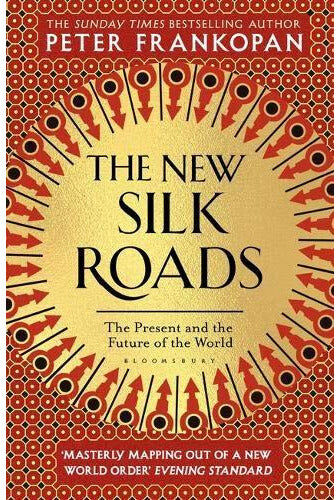
Bloomsbury Publishing The New Silk Roads by Peter Frankopan – The Present and Future of the World Global Politics BestsellerThe New Silk Roads takes a fresh look at the relationships being formed along the length and breadth of the ancient trade routes today. The world is changing dramatically and in an age of Brexit and Trump; the themes of isolation and fragmentation permeating the western world stand in sharp contrast to events along the Silk Roads; where ties are being strengthened and mutual cooperation established. The New Silk Roads asks us to re-examine who we are and where we stand in the world; illuminating the themes on which all our lives and livelihoods depend.6,99 £*Shipping: 2,99 £Secure redirect to the provider
-
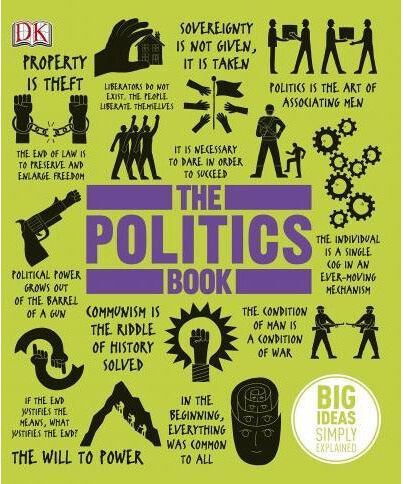
DK The Politics Book - Big Ideas Simply ExplainedThis invaluable; easy-to-understand guide to world politics and government offers an accessible introduction to more than 80 of the most important theories and big ideas of leaders and politicians throughout history. The Politics Book makes government and politics easy to understand by explaining the big ideas simply; using clear language supported by eye-catching graphics. The key events in political history are outlined from the origins of political thinking by Confucius and Aristotle to modern-day activists such as Martin Luther King and Nelson Mandela. Helpful mind maps break down their important concepts into bitesize chunks to make the subject accessible to students of politics and anyone with an interest in how government works. A handy reference section also provides a glossary of key terms and a directory of significant political figures. Filled with thought-provoking quotes from great political thinkers such as Nietzsche; Malcolm X; Karl Marx; and Mao Zedong; The Politics Book gives context to the world of government and power.12,99 £*Shipping: 2,99 £Secure redirect to the provider
-
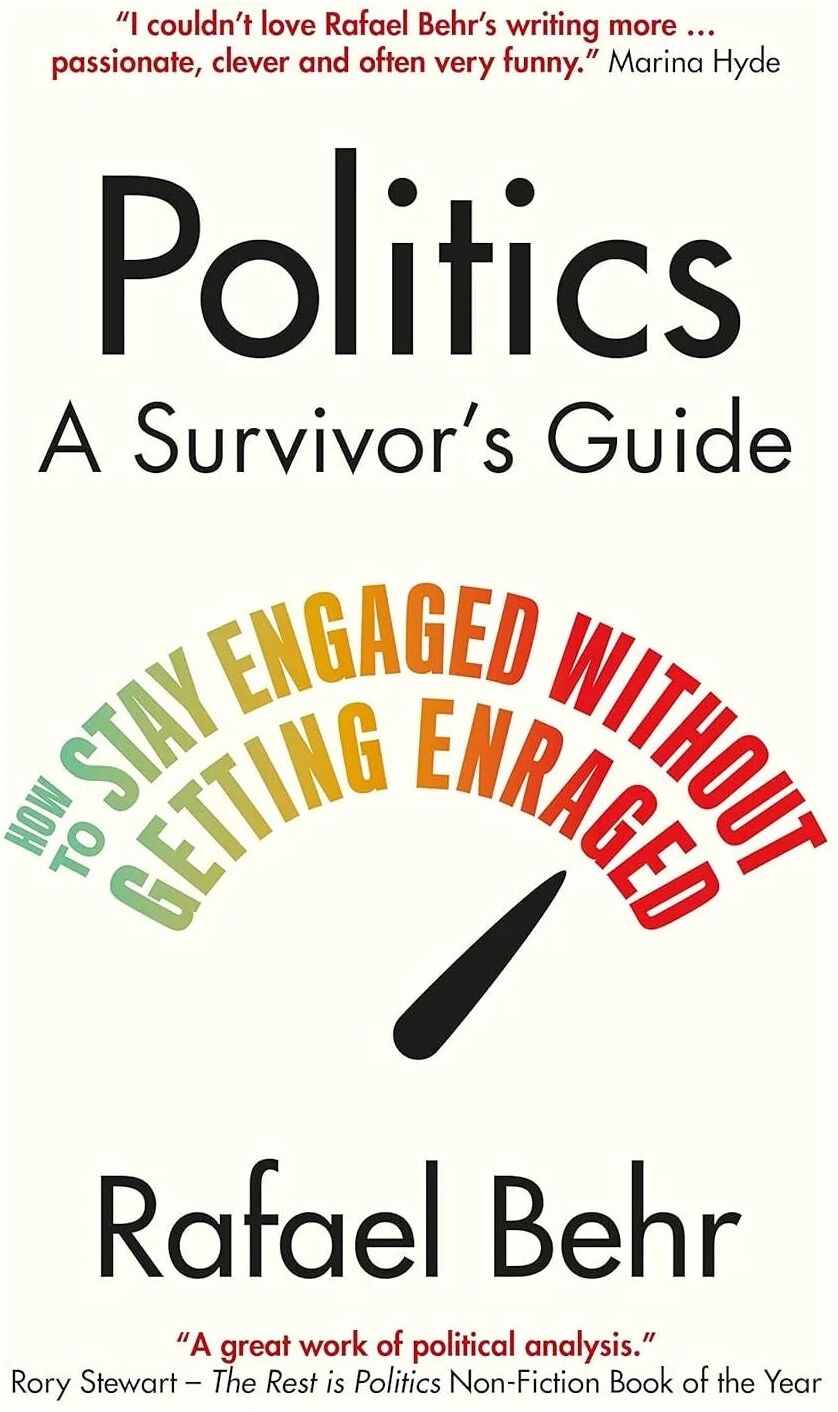
Atlantic Books Politics: A Survivor's Guide by Rafael Behr - Hardback - Non Fiction Politics & Current Affairs - How to Stay Engaged without Getting EnragedPolitics: A Survivor's Guide is a thought-provoking book by award-winning Guardian columnist Rafael Behr. Drawing on three decades of reporting from Westminster to the former Soviet Union, Behr offers a deeply personal look at the forces pulling democracy apart. This hardback book provides a genuinely hopeful path through the noise for anyone who cares about the state of the world but is tired of shouting matches. We live in an age of turmoil, where one crisis barely ends before the next begins. Behr argues that this turbulence is not a reason to switch off the news, but rather an opportunity to engage with the world in a more meaningful way. Published by Atlantic Books, this book is suitable for adult readers.10,49 £*Shipping: 2,99 £Secure redirect to the provider
-
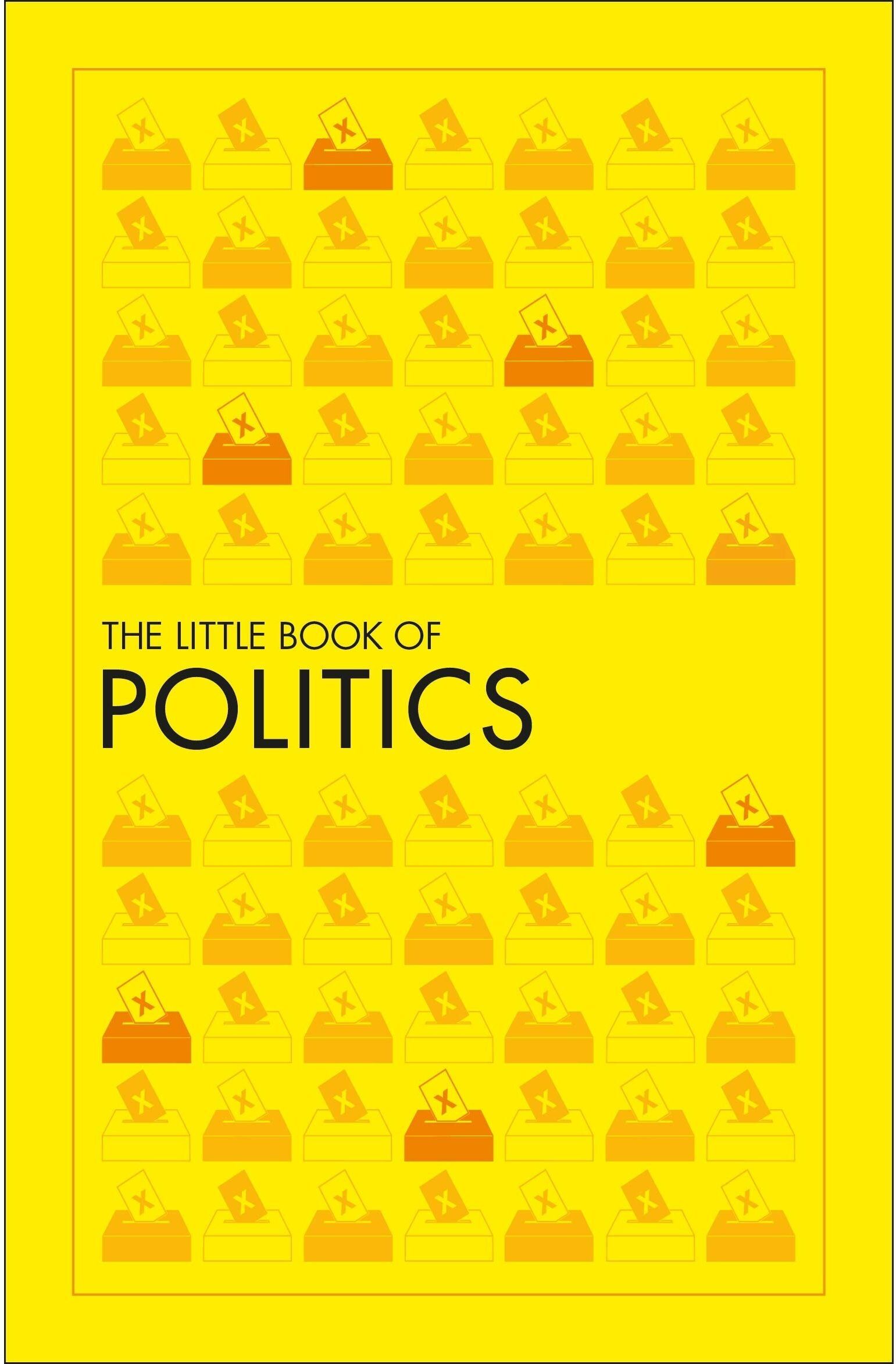
The Little Book of Politics (DK Big Ideas Series)This politics book is the perfect pocket-sized introduction to politics ideas and political thought throughout history. From the origins of democracy to Machiavelli's cunning statecraft, and from Rousseau's "social contract" to the American Declaration of Independence, Marxist communism, the dawn of populism, and identity politics, The Little Book of Politics examines the philosophies behind the different political beliefs and methods of government used around the world over the course of human history. Packed with diagrams and flowcharts that explain complex concepts in a simple but exciting way, this introduction to politics offers you a combination of clear text and hard-working diagrams in a portable format that is perfect for reading on the go.5,99 £*Shipping: 2,99 £Secure redirect to the provider
-
Can politics ban the internet by decision?
It is highly unlikely that politics can completely ban the internet by decision due to the decentralized nature of the internet and the global impact it has on communication, commerce, and information sharing. While governments can impose restrictions and regulations on internet usage within their jurisdiction, a total ban on the internet would be difficult to enforce and would face significant backlash from citizens and the international community. Additionally, the internet plays a crucial role in modern society, making it challenging for any single entity to completely shut it down. **
-
Can politics prohibit the internet by decision?
Yes, politics can prohibit the internet by decision through the implementation of laws and regulations that restrict access to certain websites or platforms, censor content, or even shut down the internet entirely in a particular region or country. Governments have the authority to control and regulate the internet within their jurisdiction, and they can use this power to limit or prohibit access to the internet for various reasons, such as national security concerns, social stability, or to suppress dissent. However, such decisions are often controversial and can lead to backlash from citizens and the international community. **
-
What is Thomas Hobbes' concept of human nature?
Thomas Hobbes' concept of human nature is that humans are inherently self-interested and driven by a desire for power and self-preservation. He believed that in a state of nature, without a governing authority, humans would be in a constant state of conflict and competition. Hobbes argued that to avoid this chaotic state, individuals would enter into a social contract and create a sovereign authority to maintain order and prevent the "war of all against all." **
-
What is the education of Hobbes and Rousseau?
Thomas Hobbes was largely self-taught and did not have a formal university education. He was well-read in classics, history, and philosophy. Jean-Jacques Rousseau, on the other hand, received a formal education and attended a seminary school. He later studied music and philosophy, which greatly influenced his ideas on education and society. **

What is the difference between Hobbes and Rousseau?
The main difference between Hobbes and Rousseau lies in their views on human nature and the role of the state. Hobbes believed that humans are inherently selfish and competitive, and therefore require a strong central authority to maintain order and prevent chaos. In contrast, Rousseau believed that humans are inherently good and cooperative, and that the state should exist to protect individual freedom and promote the common good. Additionally, Hobbes advocated for an absolute monarchy, while Rousseau favored a more democratic form of government based on the general will of the people. **
Does anyone understand this quote by Thomas Hobbes?
The quote by Thomas Hobbes, "The condition of man... is a condition of war of everyone against everyone," reflects his belief in the inherently competitive and conflict-driven nature of human beings. Hobbes argued that in the absence of a strong central authority, individuals would constantly be in conflict with one another, leading to a state of perpetual war. This quote is often interpreted as a commentary on the need for a powerful government to maintain order and prevent chaos. Overall, the quote captures Hobbes' pessimistic view of human nature and his emphasis on the importance of a strong social contract to prevent societal breakdown. **
Top-Angebote
Products related to Hobbes Politics:
-
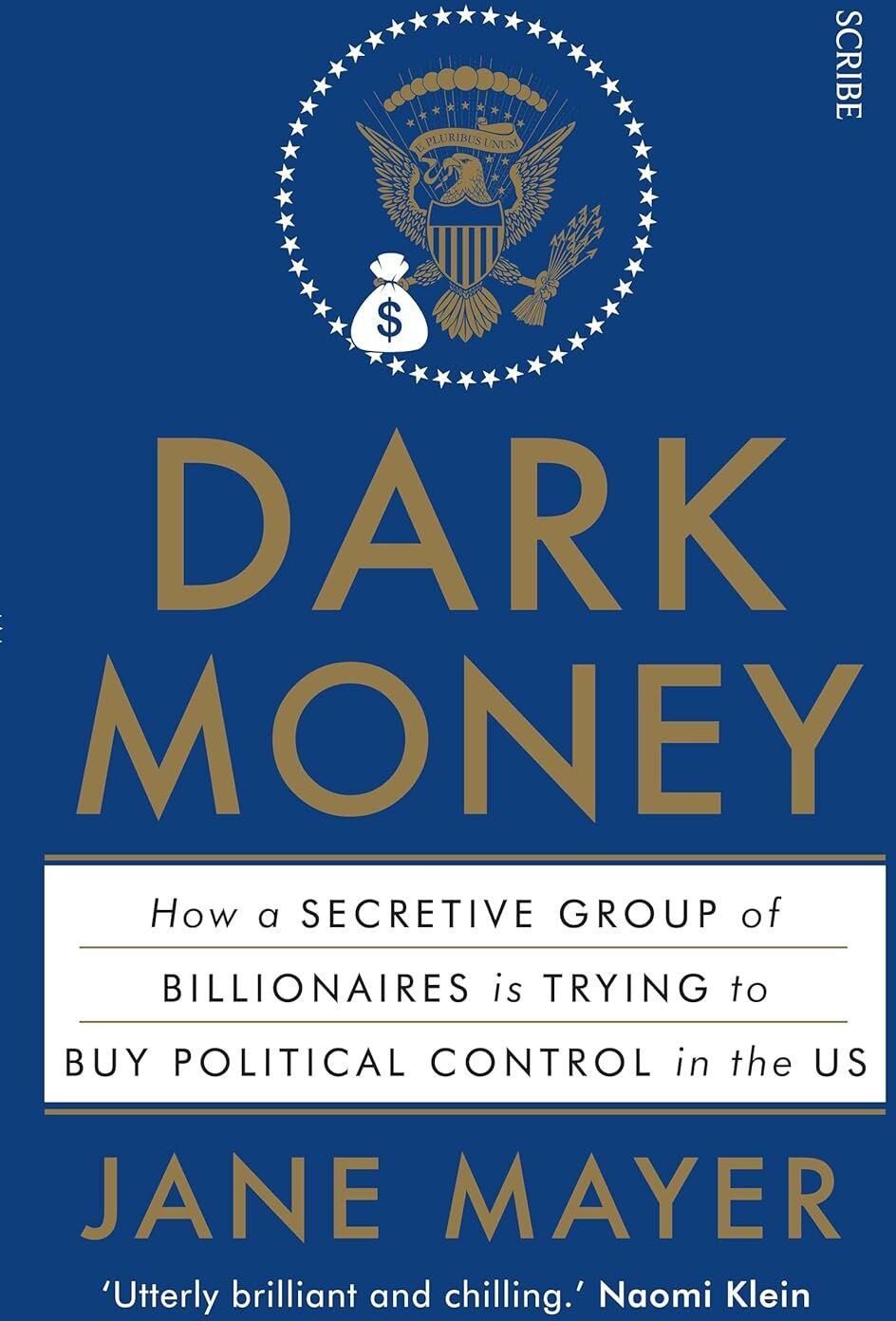
Dark Money: How Billionaires Buy Politics by Jane Mayer - Scribe UK Paperback - Investigative Politics & Finance Book - NewDark Money is a landmark work of investigative journalism by Jane Mayer, tracing how a small network of extremely wealthy right-wing donors reshaped American politics over four decades. Meticulously sourced and compellingly written, it uncovers the funding of think tanks, front groups, and campaigns designed to influence elections, courts, and public opinion. This brand new paperback is essential reading for anyone interested in modern politics, economic inequality, and the hidden machinery of democracy. Written by New Yorker staff writer Jane Mayer, the book exposes the network of billionaires trying to buy the US electoral system, led by libertarian industrialists Charles and David Koch, along with allies such as the Scaifes, Olins, and Bradleys, who have poured vast sums into the system.7,49 £*Shipping: 2,99 £Secure redirect to the provider
-
Elliott & Thompson The Future of Geography: How Power and Politics in Space Will Change Our World By Tim MarshallSpy satellites orbiting the Moon. Space metals worth billions. Humans on Mars within our lifetimes. This isn’t science fiction. It’s astropolitics. We’re entering a new space race – and it could revolutionise life on Earth. Space: the new frontier, a wild and lawless place. It is already central to communication, economics, military strategy and international relations on Earth. Now, it is the latest arena for human exploration, exploitation – and, possibly, conquest. We’re heading up and out, and we’re taking our power struggles with us. China, the USA and Russia are leading the way. From physical territory and resources to satellites, weaponry and strategic choke points, geopolitics is as important in the skies above us as it is down below. If you’ve ever wondered if humans are going back to the Moon, who will benefit from exploration or what space wars might look like, the answers are here. With all the insight and wit that have made Tim Marshall the UK’s most popular writer on geopolitics, this gripping book shows how we got here and where we’re going, covering great-power rivalry; technology; commerce; combat in space; and what it means for all of us down here on Earth. This is essential reading on power, politics and the future of humanity.7,99 £*Shipping: 2,99 £Secure redirect to the provider
-
Bloomsbury Publishing The New Silk Roads by Peter Frankopan – The Present and Future of the World Global Politics BestsellerThe New Silk Roads takes a fresh look at the relationships being formed along the length and breadth of the ancient trade routes today. The world is changing dramatically and in an age of Brexit and Trump; the themes of isolation and fragmentation permeating the western world stand in sharp contrast to events along the Silk Roads; where ties are being strengthened and mutual cooperation established. The New Silk Roads asks us to re-examine who we are and where we stand in the world; illuminating the themes on which all our lives and livelihoods depend.6,99 £*Shipping: 2,99 £Secure redirect to the provider
-
DK The Politics Book - Big Ideas Simply ExplainedThis invaluable; easy-to-understand guide to world politics and government offers an accessible introduction to more than 80 of the most important theories and big ideas of leaders and politicians throughout history. The Politics Book makes government and politics easy to understand by explaining the big ideas simply; using clear language supported by eye-catching graphics. The key events in political history are outlined from the origins of political thinking by Confucius and Aristotle to modern-day activists such as Martin Luther King and Nelson Mandela. Helpful mind maps break down their important concepts into bitesize chunks to make the subject accessible to students of politics and anyone with an interest in how government works. A handy reference section also provides a glossary of key terms and a directory of significant political figures. Filled with thought-provoking quotes from great political thinkers such as Nietzsche; Malcolm X; Karl Marx; and Mao Zedong; The Politics Book gives context to the world of government and power.12,99 £*Shipping: 2,99 £Secure redirect to the provider
-
Is technology easier than pedagogy or politics?
It is difficult to make a blanket statement about whether technology is easier than pedagogy or politics, as each area presents its own unique challenges. Technology can be easier in the sense that it often provides concrete solutions to specific problems, such as automating tasks or streamlining processes. However, pedagogy and politics involve complex human interactions and decision-making processes, which can be more difficult to navigate. Ultimately, the ease of each area depends on the specific context and the individual's expertise and experience in that area. **
-
What will politics look like in the future?
Politics in the future is likely to be shaped by increasing globalization, technological advancements, and shifting demographics. With the rise of social media and digital communication, political engagement and activism may become more decentralized and grassroots-oriented. Additionally, as the world becomes more interconnected, there may be a greater emphasis on international cooperation and diplomacy. The growing influence of younger, more diverse generations may also lead to a shift in political priorities and a greater focus on issues such as climate change and social justice. Overall, the future of politics is likely to be dynamic and evolving, reflecting the changing needs and values of society. **
-
Can politics ban the internet by decision?
It is highly unlikely that politics can completely ban the internet by decision due to the decentralized nature of the internet and the global impact it has on communication, commerce, and information sharing. While governments can impose restrictions and regulations on internet usage within their jurisdiction, a total ban on the internet would be difficult to enforce and would face significant backlash from citizens and the international community. Additionally, the internet plays a crucial role in modern society, making it challenging for any single entity to completely shut it down. **
-
Can politics prohibit the internet by decision?
Yes, politics can prohibit the internet by decision through the implementation of laws and regulations that restrict access to certain websites or platforms, censor content, or even shut down the internet entirely in a particular region or country. Governments have the authority to control and regulate the internet within their jurisdiction, and they can use this power to limit or prohibit access to the internet for various reasons, such as national security concerns, social stability, or to suppress dissent. However, such decisions are often controversial and can lead to backlash from citizens and the international community. **
Similar search terms for Hobbes Politics
-
Atlantic Books Politics: A Survivor's Guide by Rafael Behr - Hardback - Non Fiction Politics & Current Affairs - How to Stay Engaged without Getting EnragedPolitics: A Survivor's Guide is a thought-provoking book by award-winning Guardian columnist Rafael Behr. Drawing on three decades of reporting from Westminster to the former Soviet Union, Behr offers a deeply personal look at the forces pulling democracy apart. This hardback book provides a genuinely hopeful path through the noise for anyone who cares about the state of the world but is tired of shouting matches. We live in an age of turmoil, where one crisis barely ends before the next begins. Behr argues that this turbulence is not a reason to switch off the news, but rather an opportunity to engage with the world in a more meaningful way. Published by Atlantic Books, this book is suitable for adult readers.10,49 £*Shipping: 2,99 £Secure redirect to the provider
-
The Little Book of Politics (DK Big Ideas Series)This politics book is the perfect pocket-sized introduction to politics ideas and political thought throughout history. From the origins of democracy to Machiavelli's cunning statecraft, and from Rousseau's "social contract" to the American Declaration of Independence, Marxist communism, the dawn of populism, and identity politics, The Little Book of Politics examines the philosophies behind the different political beliefs and methods of government used around the world over the course of human history. Packed with diagrams and flowcharts that explain complex concepts in a simple but exciting way, this introduction to politics offers you a combination of clear text and hard-working diagrams in a portable format that is perfect for reading on the go.5,99 £*Shipping: 2,99 £Secure redirect to the provider
-
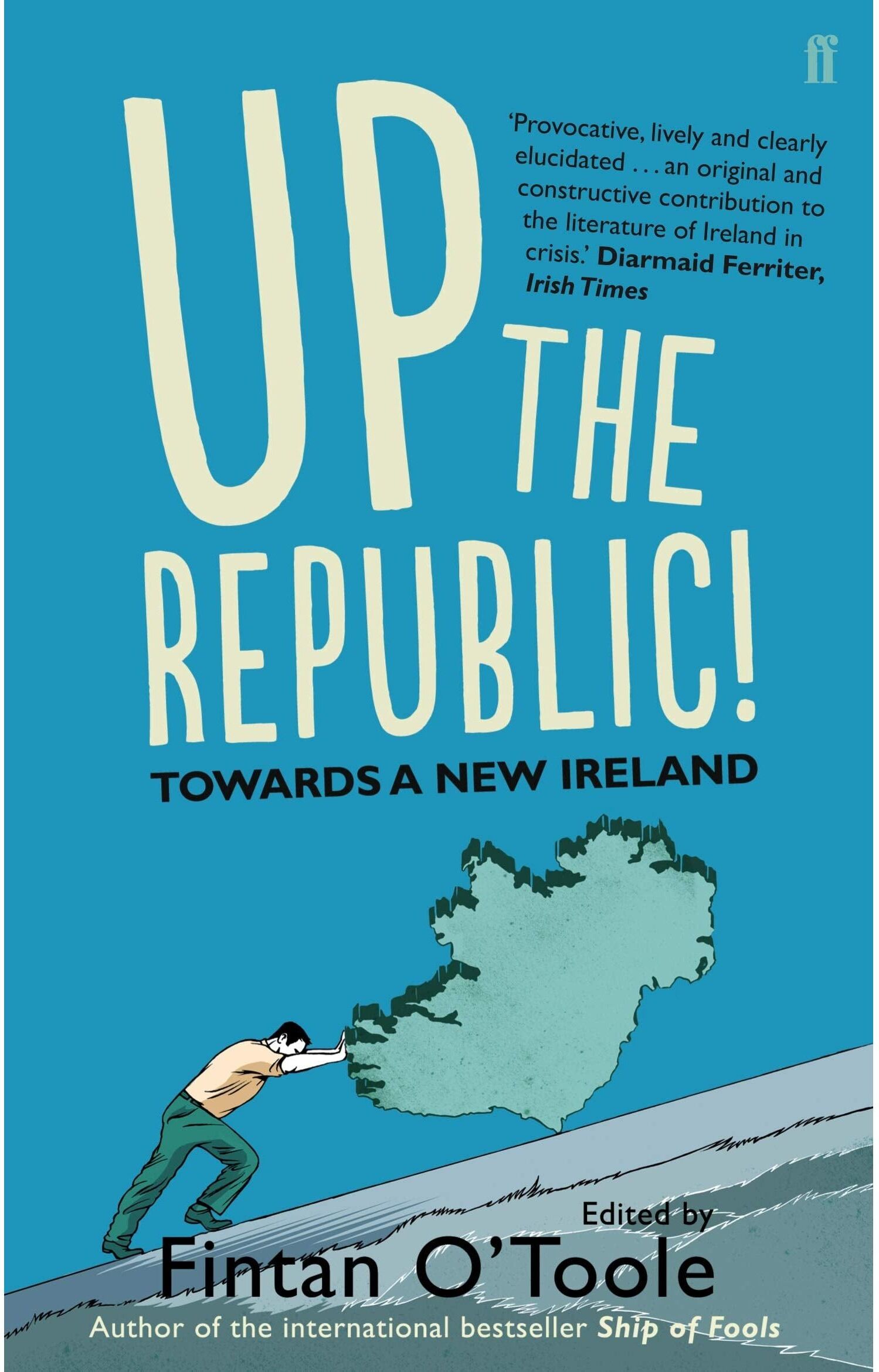
Faber Fintan O'Toole, Up the Republic! (Economic Book, Politics Book)Fintan O'Toole, Up the Republic! (Economic Book, Politics Book) In this important book, historians, lawyers, economists and writers come together to put a coherent case: that although the Irish economic collapse has resulted in national humiliation, renewed emigration and a decline in living standards for the majority of the population, there is still hope that the country can be reformed and renewed. Irish politicians offered the now notorious blanket guarantee to all the banks which had got in over their heads during the great property bubble - including one that had become little more than a criminal enterprise. A different set of politicians grimly enforces the consequences of that guarantee, locking an entire generation of Irish men and women into paying for the mistakes of greedy bankers and their corrupt friends in government. The energy of hope has to come from elsewhere. These essays demonstrate how simple measures and different economic and social policies could release that energy and fulfil the promise of an educated, literate and culturally vibrant people.4,99 £*Shipping: 1,99 £Secure redirect to the provider
-
Affinity Software (1.10.6) Bundle CD Key (Lifetime / 5 Devices)Affinity Software 1.10.6 Bundle – Lifetime License for 5 Devices (Full Overview + Activation) Affinity 1.10.6 Bundle is a one-time purchase software suite from Serif , featuring three professional-grade creative applications: Affinity Photo , Affinity Designer , and Affinity Publisher . This bundle is ideal for creatives who want powerful tools without a subscription, offering lifetime access across multiple devices. Included Applications Affinity Photo – Advanced photo editing with RAW support, HDR merge, retouching, and batch processing Affinity Designer – Vector and raster design for branding, UI/UX, illustration, and concept art Affinity Publisher – Desktop publishing for books, magazines, marketing materials, and more License Details Version : 1.10.6 License Type : Lifetime (one-time payment) Device Limit : Up to 5 devices (Windows and/or macOS) Delivery : Digital download with CD key Key Features No subscription required – pay once, own forever Cross-platform support for Windows and macOS Offline activation available Optimized for multi-core CPUs and GPU acceleration Professional-grade performance for photo editing, graphic design, and publishing Activation Instructions Download the apps from the official https://affinity.serif.com/en-us/ or your retailer’s link Install Affinity Photo, Designer, and Publisher on your device(s) Launch each app and go to the activation or registration screen Enter your CD key and email address Click “Activate” to unlock the full version Repeat on up to 5 devices using the same license Ideal For Graphic designers and illustrators Photographers and editors Publishers and layout artists Students, educators, and freelancers Small businesses seeking affordable creative tools3,92 £*Shipping: 0,00 £Secure redirect to the provider
-
What is Thomas Hobbes' concept of human nature?
Thomas Hobbes' concept of human nature is that humans are inherently self-interested and driven by a desire for power and self-preservation. He believed that in a state of nature, without a governing authority, humans would be in a constant state of conflict and competition. Hobbes argued that to avoid this chaotic state, individuals would enter into a social contract and create a sovereign authority to maintain order and prevent the "war of all against all." **
-
What is the education of Hobbes and Rousseau?
Thomas Hobbes was largely self-taught and did not have a formal university education. He was well-read in classics, history, and philosophy. Jean-Jacques Rousseau, on the other hand, received a formal education and attended a seminary school. He later studied music and philosophy, which greatly influenced his ideas on education and society. **
-
What is the difference between Hobbes and Rousseau?
The main difference between Hobbes and Rousseau lies in their views on human nature and the role of the state. Hobbes believed that humans are inherently selfish and competitive, and therefore require a strong central authority to maintain order and prevent chaos. In contrast, Rousseau believed that humans are inherently good and cooperative, and that the state should exist to protect individual freedom and promote the common good. Additionally, Hobbes advocated for an absolute monarchy, while Rousseau favored a more democratic form of government based on the general will of the people. **
-
Does anyone understand this quote by Thomas Hobbes?
The quote by Thomas Hobbes, "The condition of man... is a condition of war of everyone against everyone," reflects his belief in the inherently competitive and conflict-driven nature of human beings. Hobbes argued that in the absence of a strong central authority, individuals would constantly be in conflict with one another, leading to a state of perpetual war. This quote is often interpreted as a commentary on the need for a powerful government to maintain order and prevent chaos. Overall, the quote captures Hobbes' pessimistic view of human nature and his emphasis on the importance of a strong social contract to prevent societal breakdown. **
* All prices are inclusive of VAT and, if applicable, plus shipping costs. The offer information is based on the details provided by the respective shop and is updated through automated processes. Real-time updates do not occur, so deviations can occur in individual cases. ** Note: Parts of this content were created by AI.